

ECMO Transportation Services
Advanced Life Support on the Move
Life Savers Ambulance Services
Some critically ill patients cannot survive on ventilators or medications alone. In such situations, ECMO (Extracorporeal Membrane Oxygenation) becomes a life-saving bridge—supporting the heart and/or lungs while the patient receives definitive treatment.
Life Savers Ambulance Services provides specialised ECMO Transportation Services, ensuring patients on ECMO are transferred safely, continuously, and without interruption of life support, from one hospital to another.
What Is ECMO (Extracorporeal Membrane Oxygenation)?
ECMO is an advanced form of life support used when a patient’s lungs, heart, or both fail to function adequately, even with maximum medical and ventilator support.
In simple terms, ECMO works as an artificial heart and/or lung outside the body.
How ECMO Works
- Blood is drained from the body through special tubes called cannulas
- The blood passes through an oxygenator, where oxygen is added and carbon dioxide is removed
- Oxygen-rich blood is returned to the patient
- This allows the heart and lungs to rest, recover, or stabilise
ECMO does not cure the disease—it buys critical time for recovery, surgery, transplant, or further treatment.
Types of ECMO
1. VV ECMO (Veno-Venous ECMO) – Lung Support
- Supports lung function only
- The heart continues to function normally
- Blood is taken from a vein and returned to a vein
Commonly used in:
- Severe ARDS
- Severe pneumonia
- COVID-related lung failure
- Aspiration or inhalation injuries
2. VA ECMO (Veno-Arterial ECMO) – Heart & Lung Support
- Supports both heart and lung function
- Blood is taken from a vein and returned to an artery
- Provides full circulatory support
Commonly used in:
- Cardiogenic shock
- Severe heart failure
- Post-cardiac arrest
- Severe myocarditis
- Massive pulmonary embolism
How ECMO Is Inserted (ECMO Cannulation Process)
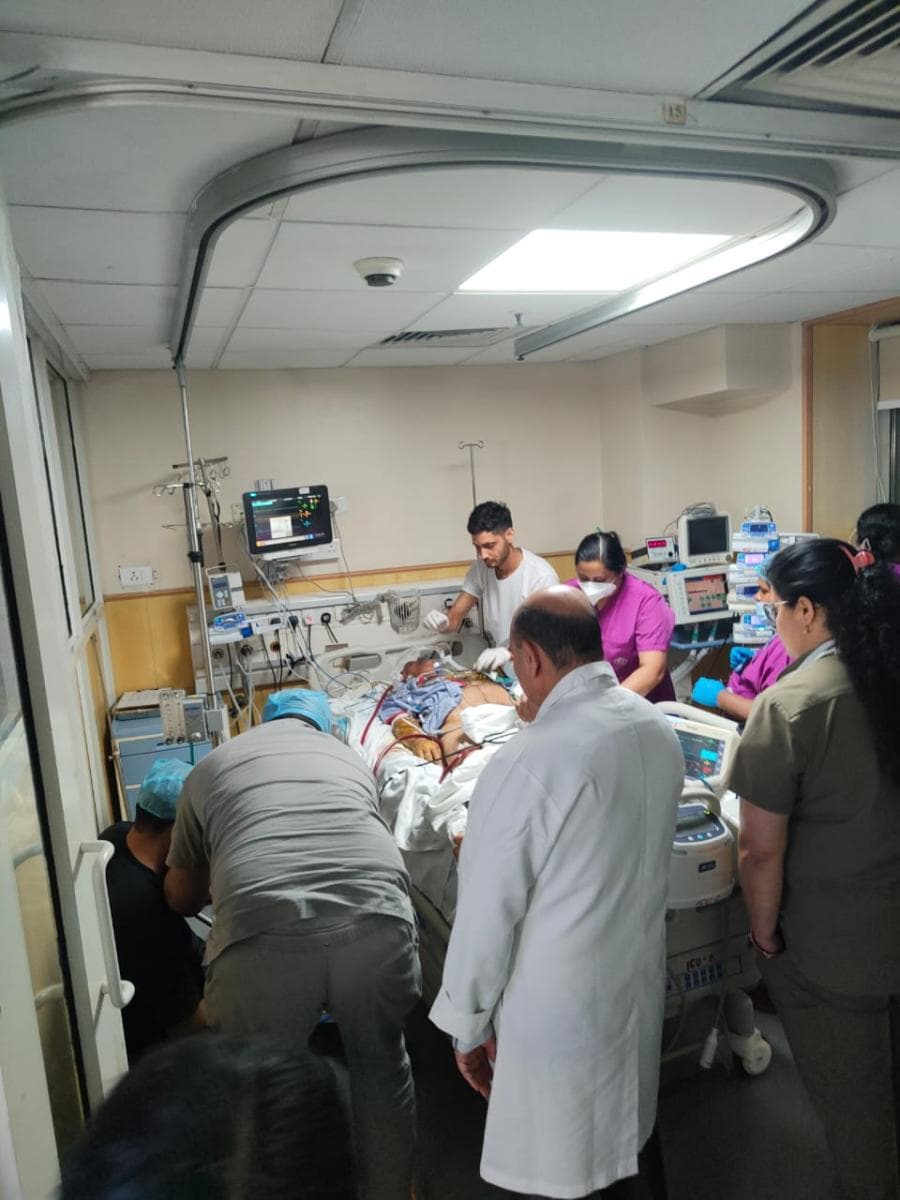
ECMO insertion is a highly specialised procedure performed by experienced critical care or cardiac teams.
Step-by-Step ECMO Insertion
- 1. Patient Assessment: Severity of heart/lung failure assessed and ECMO type (VV or VA) decided.
- 2. Preparation: Patient is stabilised, sedated, and prepared under sterile conditions.
- 3. Cannulation: Cannulas are inserted into large blood vessels (neck or groin) using imaging guidance.
- 4. Connection to ECMO Circuit: Cannulas are connected to the ECMO machine and flows are adjusted carefully.
- 5. Stabilisation Before Transport: Patient is stabilised completely on ECMO before any movement.
What Is ECMO Transportation?
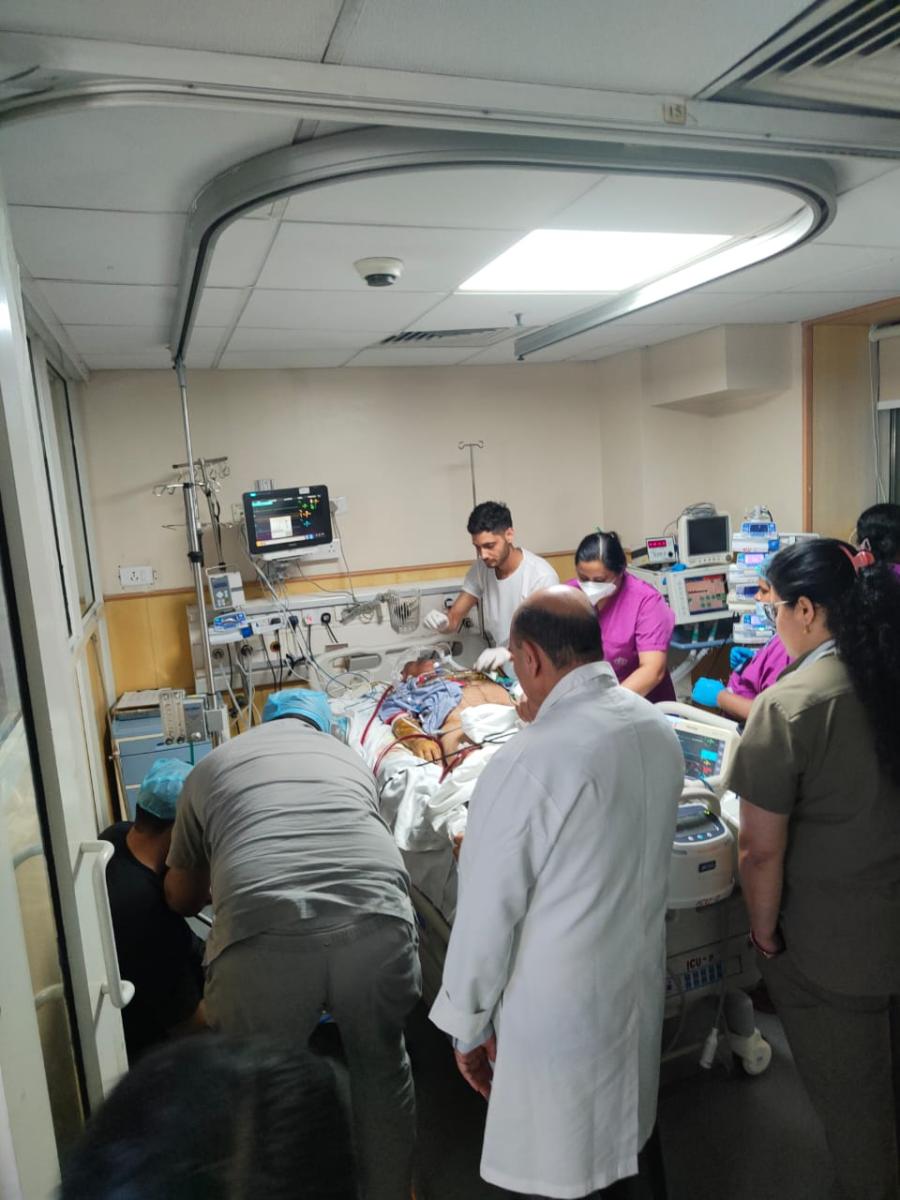
ECMO transportation involves shifting a patient who is already on ECMO support to another hospital—usually a tertiary care or transplant centre—without stopping life support at any point.
This is one of the most complex and high-risk medical transfers and requires expert planning.
How ECMO Transportation Is Planned & Executed
- 1. Joint Medical Discussion: Referring hospital and Life Savers ECMO team assess transport feasibility and urgency.
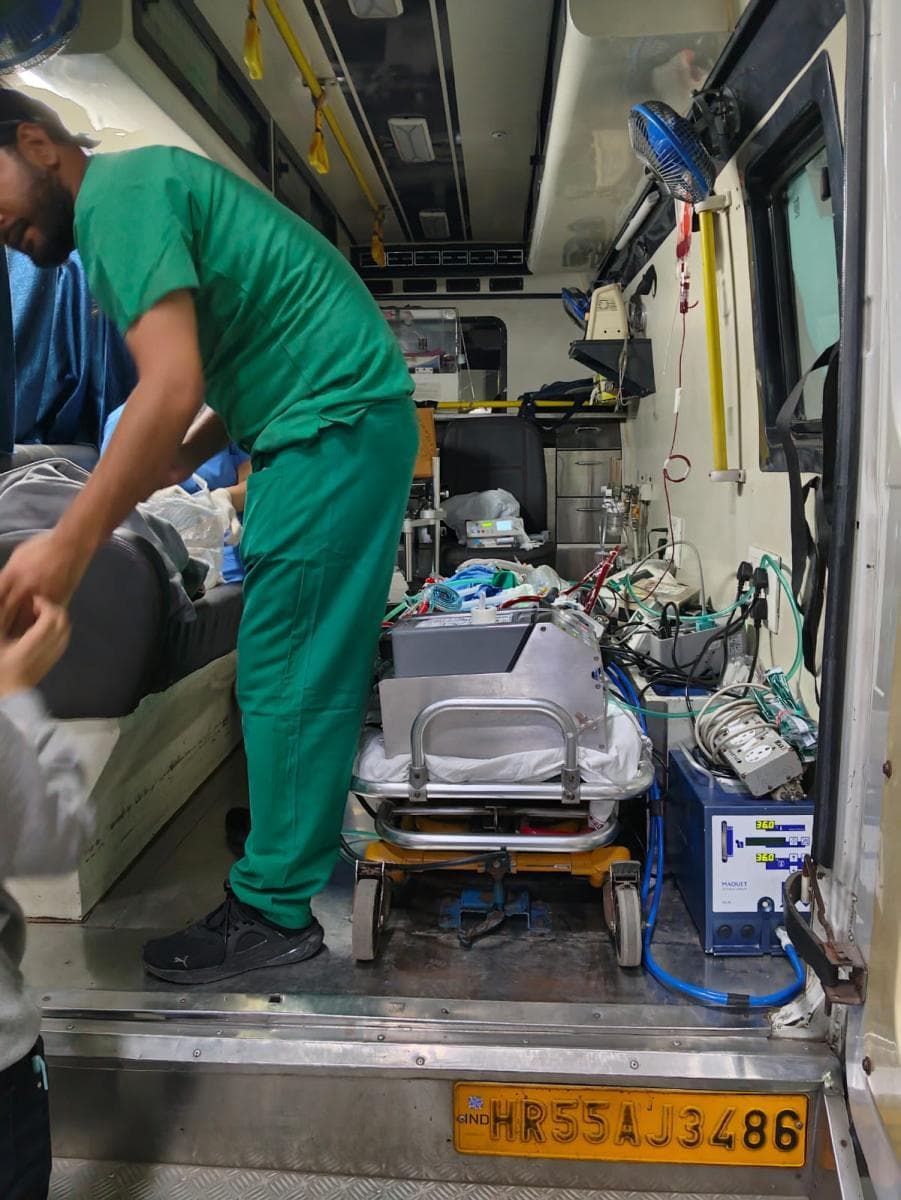
- 2. Transport Planning: Mode of transport (road or air), team composition, and equipment are finalised.
- 3. Pre-Transport Stabilisation: Cannulas secured, ECMO flows optimised, medications stabilised.
- 4. ECMO Transportation:
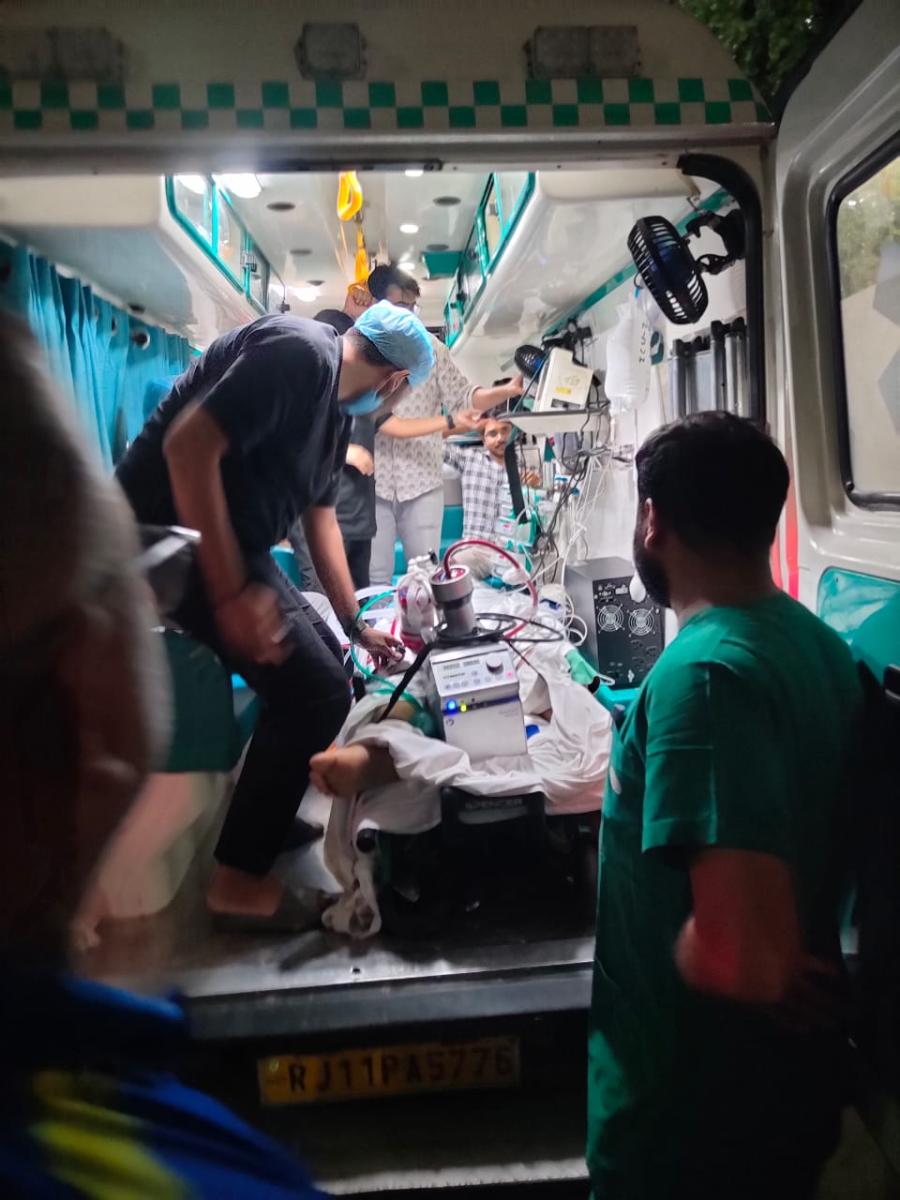
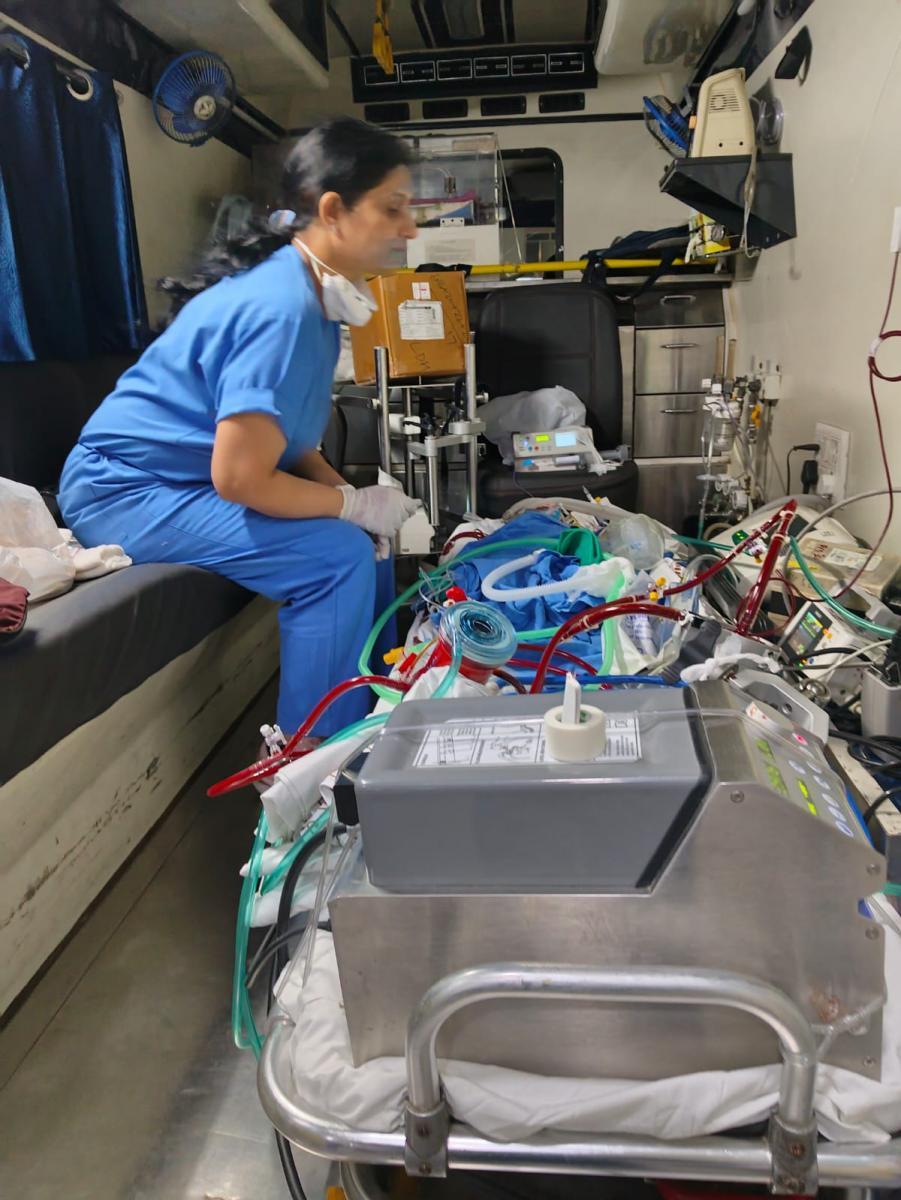
- Road ECMO Transport: ICU-grade ambulance, ECMO machine securely mounted, Continuous monitoring of ECMO flows, vitals, and ventilation.
- Air ECMO Transport: Charter aircraft or air ambulance, Faster transfers for unstable patients, Full ICU-level care in flight.
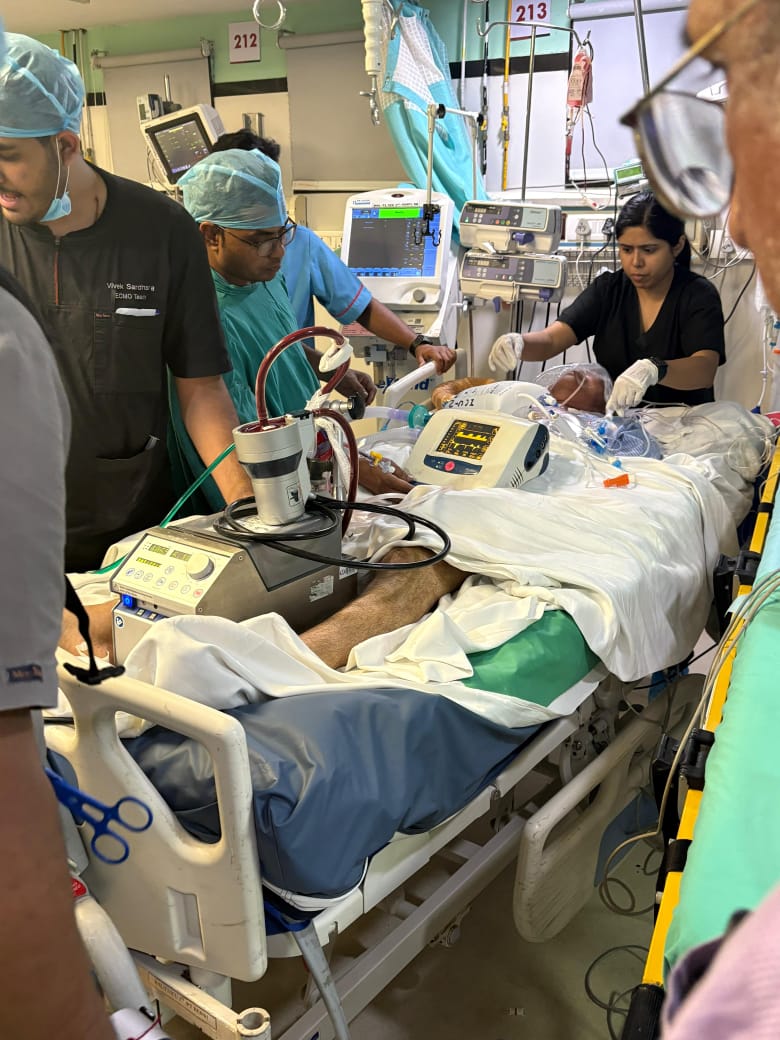
- 5. Bed-to-Bed Transfer: Patient is shifted directly from referring ICU to receiving ICU.
- 6. Clinical Handover: Detailed ECMO and medical handover to the receiving team.
Instruments & Equipment Used During ECMO Transportation
Since the patient is fully dependent on external life support, every instrument must function flawlessly throughout the journey.
Core ECMO System
- ECMO machine (VV or VA)
- Oxygenator (artificial lung)
- Centrifugal pump
- ECMO circuits and cannulas
Monitoring & Life Support
- Multiparameter patient monitor
- Transport ventilator
- Infusion and syringe pumps
- Portable blood gas monitoring (if required)
Airway & Respiratory
- Advanced airway kits
- Suction apparatus
Power & Oxygen
- Multiple oxygen cylinders
- Dual power supply and battery backup
- Power inverters and redundancy systems
Emergency & Safety
- Defibrillator
- Emergency drug kits
- Sterile ECMO disposables and backup circuits
- Portable ultrasound (if required)
All equipment is securely mounted, vibration-protected, and continuously monitored.
Specialised ECMO Team on Board
Each ECMO transport includes:
- ECMO Specialist / Intensivist
- Critical Care or Cardiac Doctor
- Perfusionist
- Critical Care Nurse / Paramedic
The team’s sole focus is patient stability and ECMO circuit safety.
Why ECMO Transportation Requires Specialised Expertise
- ECMO patients are completely dependent on external life support
- Even brief interruption can be life-threatening
- Power, oxygen, cannulas, and circuit integrity must be maintained at all times
That is why ECMO transport must only be handled by experienced, protocol-driven teams.
Why Choose Life Savers Ambulance Services for ECMO Transport?
- Experienced ECMO and critical care teams
- Advanced ICU ambulances and air transport options
- End-to-end hospital coordination
- Strict safety and monitoring protocols
- Trusted by leading doctors and tertiary care hospitals
ECMO Transportation You Can Trust
When life support cannot pause and every second matters, Life Savers Ambulance Services ensures ECMO patients are transferred safely, smoothly, and with uncompromised critical care.
Because advanced life support deserves advanced transport.