
Red Fort Delhi — Life Savers Ambulance Services Ensures Complete Medical Safety at Prestigious Dussehra Event
Published on: October 23, 2025
Medical Preparedness at the Red Fort Dussehra Celebration, Delhi
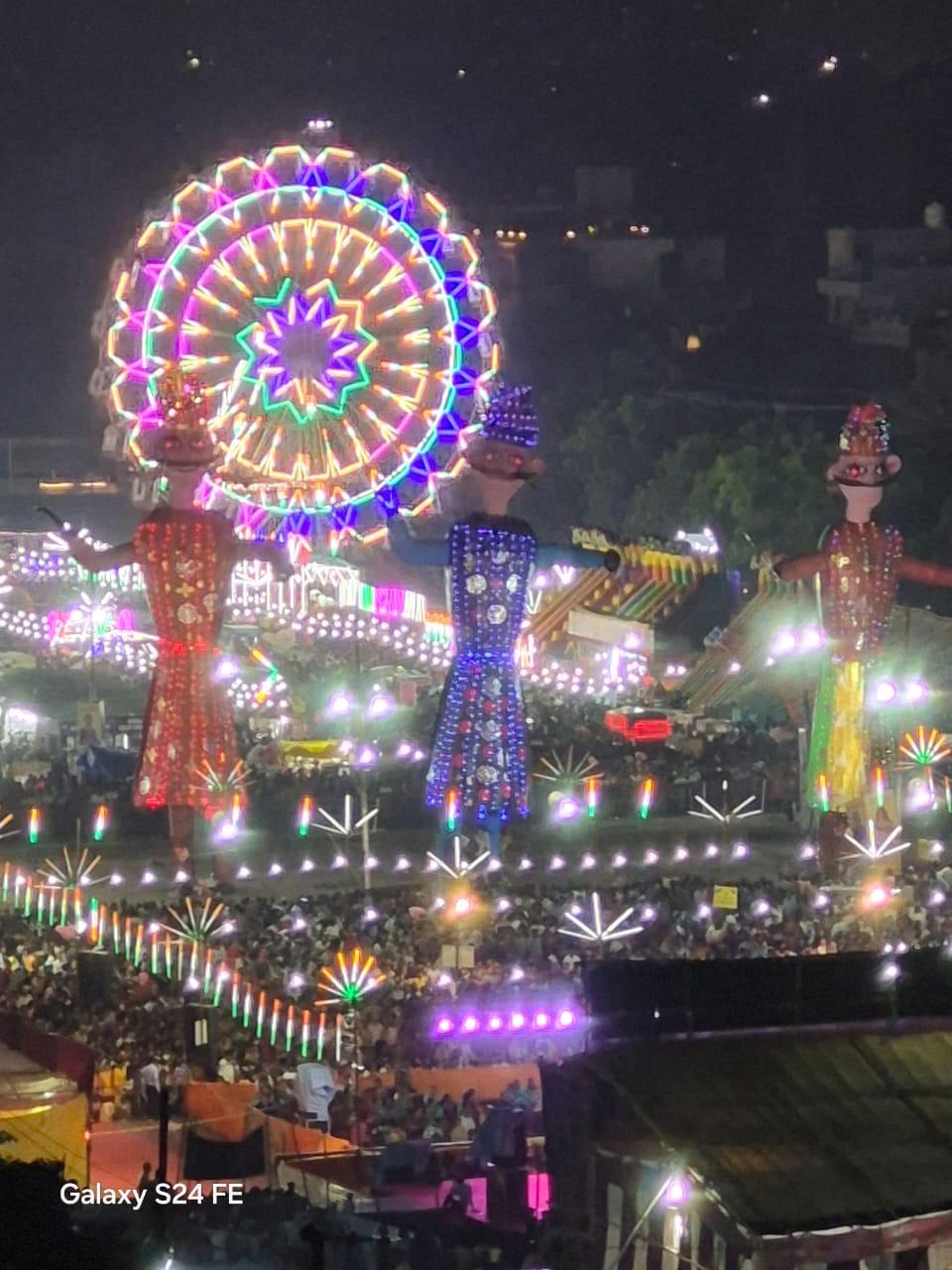
The annual Dussehra celebration organised by the Shri Dharmic Leela Committee at the Red Fort Grounds, Delhi, is among the city’s most enduring cultural traditions. Known for its scale, discipline, and adherence to ritual, the event draws thousands of attendees each year and requires meticulous planning—particularly in the area of public safety and medical preparedness.
For this year’s celebration, which included the symbolic Ravana Dahan at the Red Fort and the presence of senior constitutional dignitaries, the committee put in place a structured medical response plan to support crowd safety and emergency readiness across the venue.
Structured Medical Coverage for a High-Density Public Event
Given the size of the gathering and the open-ground setting in central Delhi, medical planning focused on rapid accessibility, decentralised coverage, and real-time coordination. A comprehensive medical setup was established across the Red Fort Grounds to address both routine health issues and potential emergencies.
The on-ground medical infrastructure included advanced life support ambulances positioned at designated access points, basic life support units for crowd-facing response, and a central medical tent equipped for first aid and initial stabilisation. Doctors, nurses, and trained paramedics were stationed strategically to ensure response times remained minimal, even during peak crowd movement.
This approach allowed for immediate attention to common event-related medical concerns such as dehydration, fatigue, minor injuries, and sudden health episodes, while remaining prepared for higher-acuity situations if required.
VVIP Medical Protocol and Emergency Readiness
This year’s Dussehra event at the Red Fort carried additional medical responsibility due to the attendance of the Honourable President of India as Chief Guest. In line with standard VVIP medical protocols followed in Delhi for national-level events, a dedicated emergency medical plan was implemented near the VVIP enclosure.
The arrangement included an advanced life support ambulance on standby, a dedicated medical team assigned to protocol duty, and clearly defined evacuation pathways coordinated with local authorities. These measures ensured compliance with established security and healthcare standards applicable to high-profile public functions in the capital.
Crowd Health Monitoring and On-Ground Coordination
Managing health and safety for a large, moving crowd in an open venue such as the Red Fort Grounds requires continuous monitoring and coordination. Throughout the event, medical teams maintained active communication with each other and with event control rooms to ensure situational awareness.
On-ground response teams addressed medical needs promptly, helping the event proceed without disruption. The emphasis remained on prevention, early intervention, and smooth escalation where necessary, allowing attendees to participate in the celebrations without concern for medical support availability.
Medical Equipment and On-Site Capability
To support effective response, the medical setup at the venue included ventilators, oxygen delivery systems, defibrillators, infusion equipment, trauma care supplies, and essential emergency medicines. The presence of this equipment on-site reduced dependence on external transfers and allowed for immediate stabilisation when needed.
All medical activity was conducted under professional supervision, following established clinical protocols appropriate for public event coverage in Delhi.
A Coordinated Approach to Safety at a Historic Venue
The Red Fort is not only a heritage site but also a high-footfall public space in the heart of Delhi. Conducting a large religious and cultural gathering at such a location demands careful alignment between tradition and modern safety planning.
Through structured medical deployment and clear coordination between organisers, medical teams, and local authorities, the Shri Dharmic Leela Committee ensured that the Dussehra celebration remained orderly and incident-free. The medical arrangements functioned quietly in the background, supporting the event without drawing attention away from its cultural significance.
Closing Note
The Dussehra celebration at the Red Fort Grounds, Delhi, demonstrated how large-scale cultural events can be supported by disciplined medical planning and professional emergency readiness. From crowd health management to VVIP medical protocol, each element of the healthcare arrangement was aligned with the scale and sensitivity of the occasion.
Such integrations of heritage, governance, and public safety reflect evolving standards for event management in Delhi, where tradition continues to coexist with structured risk planning and medical preparedness.